A life raft is an essential collective lifesaving appliance engineered to preserve human life when abandoning a vessel during catastrophic hull compromise, fire, or sinking. Unlike a standard inflatable tender or open lifeboat, a marine life raft is packed under pressure inside a rigid fiberglass canister or weather-resistant valise. It features a self-deploying high-visibility canopy, dual independent buoyancy chambers, an insulated floor to mitigate hypothermia, and weighted water ballast pockets (typically 200 to 400 liters total capacity) beneath the hull to prevent capsizing in severe wave action.
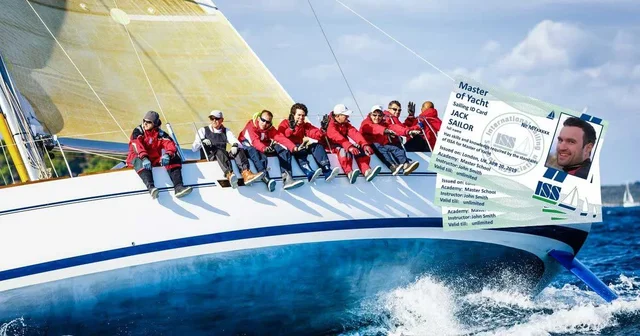
Inflation is triggered automatically when the painter line (usually 15 meters or longer) is pulled, activating a high-pressure compressed gas cylinder containing a carbon dioxide (CO2) and nitrogen (N2) mixture. Modern life rafts adhere to ISO 9650-1 (offshore) or ISO 9650-2 (coastal) standards, or SOLAS requirements for commercial and oceanic voyages, incorporating emergency survival packs (Pack A or Pack B) containing distress flares, drinking water, and first-aid kits. A hydrostatic release unit (HRU) allows the raft to float free and inflate automatically if the vessel sinks to a depth of 1.5 to 4.0 meters. Proper skipper training, certified via recognized skipper certificates, ensures correct mounting and emergency deployment procedures. Including essential items like EPIRBs alongside standard yacht equipment kits greatly increases the probability of rapid search-and-rescue response. Mandatory inspection and recertification must occur every 1 to 3 years at licensed service stations.
Quick answers
What is Life raft?
A self-inflating collective lifesaving appliance designed to keep survivors afloat and protected from exposure after abandoning a vessel.
What is Life raft used for on a yacht?
Ensure the painter line is securely tied to a strong point (cleat or strongback) before launching. Verify that the Hydrostatic Release Unit (HRU) is within its valid service period.
What topics are related to Life raft?
Life Saving Equipment, EPIRB (Emergency Position Indicating Radio Beacon), Life jacket, COLREGs
Sources and verification
- Navi.training: GPS, AIS та радар. - «Три ока» вашої яхти – чи знаєте ви різницю?
- Navi.training: Что подарить яхтсмену? - 25 идей яхтенных подарков.
- Navi.training: Що подарувати яхтсмену? - 25 ідей яхтових подарунків.
- Navi.training: What to buy for a sailor? - 25 yachting gift ideas.
- Navi.training: Types of yacht license and skippers' certificates: how to become a captain and charter a yacht anywhere in the world
- Wikipedia: Dismasting · CC BY-SA 4.0 / GFDL
 21 min to read