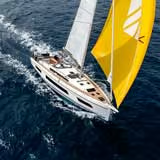
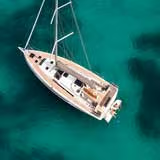
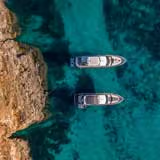
Freeboard is a critical measurement in yacht design, defined as the distance from the waterline to the deck at the point of least height, typically amidships, where water could otherwise ingress. According to the IMO Load Lines Convention, for commercial vessels, freeboard is measured relative to the ship's load line, ensuring a minimum reserve buoyancy. In yachts, freeboard directly affects safety, performance, and interior volume.
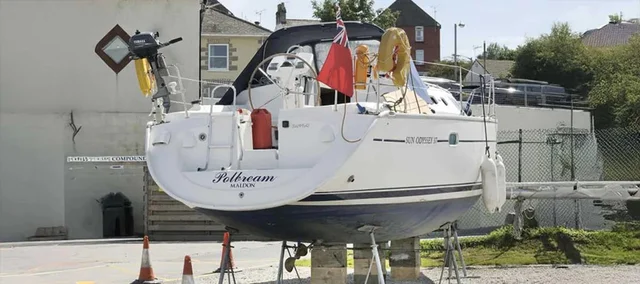
A low freeboard reduces weight and aerodynamic drag, enhancing speed — common on racing yachts. However, it increases the risk of swamping in rough seas. The incident of the yacht Polbream, which sailed 150 miles without a keel, illustrates how quickly a vessel's freeboard can be compromised; losing the keel caused the boat to settle lower, reducing its freeboard and stability. (Read more about this unexpected adventure). Conversely, a high freeboard provides greater interior cabin space and better wave protection, as seen in ocean cruisers. It also contributes to meeting stability regulations by increasing reserve buoyancy.
When choosing a yacht, consider the trade-offs: a higher freeboard offers comfort and safety, while a lower freeboard may improve sailing performance. For further insights into yacht design, explore our yacht design tag.
Practically, owners should monitor freeboard changes: excessive loading reduces freeboard, compromising safety. Always adhere to the manufacturer's maximum load recommendations.
Quick answers
What is Freeboard?
Freeboard is the vertical distance measured from the waterline to the upper deck level at the lowest point where water can enter the vessel.
What is Freeboard used for on a yacht?
Freeboard should not be confused with 'draft' (the depth below the waterline). While draft measures how deep the hull extends, freeboard measures the height above the water. On planing powerboats, static freeboard may differ significantly from running freeboard due to dynamic lift.
What topics are related to Freeboard?
Sources and verification
- Navi.training: 7 лучших подарков для яхтсмена в 2025 году
- Navi.training: 150 миль без киля: Неожиданное приключение яхты Polbream
- Navi.training: Зачем на яхте два штурвала? Подробный гид для новичков
- Navi.training: 7 найкращих подарунків для яхтсмена у 2025 році
- Navi.training: 150 миль без кіля: Несподівана пригода яхти Polbream
- Navi.training: Навіщо на яхті два штурвали? Докладний гід для новачків
- Navi.training: The 7 best gifts for the yachtsman in 2025
- Navi.training: 150 miles without a keel: Polbream's unexpected adventure
- Navi.training: Why are there two helms on a yacht? A detailed guide for beginners
- Wikipedia: Freeboard (nautical) · CC BY-SA 4.0 / GFDL
 7 min to read