A sea anchor (or parachute anchor) is a specialized fabric device deployed from a vessel’s bow into open water to create hydrodynamic drag rather than anchoring to the seabed. According to Wikipedia, its primary function is to stabilize the boat in heavy weather and limit drift downwind. By keeping the bow pointed into the wind and breaking seas, it prevents dangerous broadside rolling (broaching) or capsizing.
It is critical to distinguish a sea anchor from a drogue: a sea anchor is large, deployed from the bow, and aims to virtually stop the vessel (reducing drift to 0.5–1.5 knots), whereas a drogue is smaller, trailed behind the stern, and designed to control speed while running downwind.
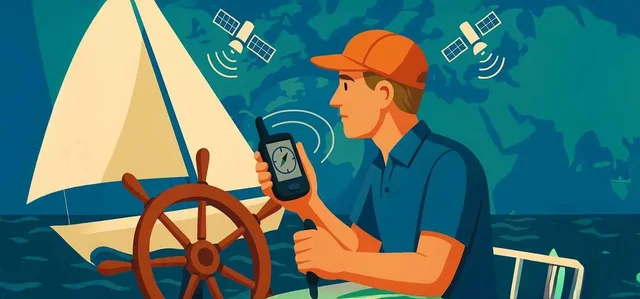
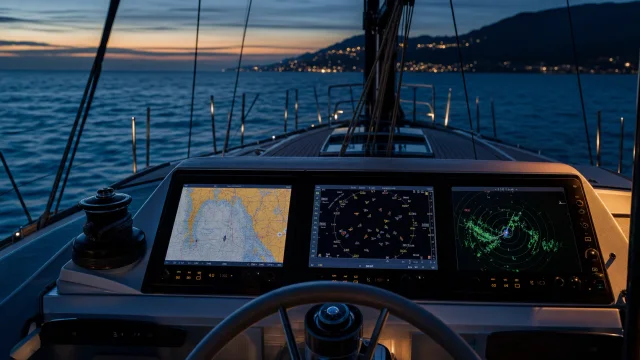
Proper deployment requires precise dimensions and rigging. The anchor rode length should ideally measure 10 to 15 times the vessel's length overall (LOA), usually combined with a heavy chain leader or weight to keep the line submerged and damp surge loads. A dedicated tripping line attached to the crown of the parachute cone is necessary to collapse the canopy for retrieval. While modern skippers rely heavily on electronic navigation tools to monitor leeway, storm seamanship remains anchored in sound practical knowledge passed through centuries of sailing traditions.
Quick answers
What is Sea anchor?
A heavy-weather drag device deployed from the bow of a vessel to hold its head into the wind and waves, significantly reducing downwind drift.
What is Sea anchor used for on a yacht?
Rig the sea anchor with a bridle to bow cleats and fit chafing gear to the rode. Never attempt to haul a deployed sea anchor without pulling the tripping line first.
What topics are related to Sea anchor?
Sources and verification
- Navi.training: GPS, AIS та радар. - «Три ока» вашої яхти – чи знаєте ви різницю?
- Navi.training: Морские суеверия: от Нептуна до запрета на бананы на борту
- Navi.training: Морські забобони: від Нептуна до заборони бананів на борту
- Navi.training: Як працює GPS та роль електронної навігації у світі яхтингу
- Navi.training: Sailing Superstitions: From Neptune to the Ban on Bananas On Board
- Navi.training: How GPS Works and the Role of Electronic Navigation in the World of Sailing
- Wikipedia: Sea anchor · CC BY-SA 4.0 / GFDL
 32 min to read