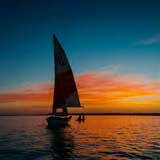
The waterline is a fundamental concept in yacht design and operation. It refers to the line where the hull meets the water surface. This line is not fixed; it changes with displacement, trim, and heel. The design waterline (DWL) is the theoretical line at which the yacht is intended to float at its design displacement. The load waterline (LWL), often called the length waterline, is a key measurement: according to Wikipedia, waterline length is a common measure of ship length, distinct from length overall (LOA). LWL affects hull speed (a function of the square root of the waterline length) and stability. Visually, the waterline is often marked by a boot stripe or boot top, a painted band just above the actual waterline that protects against fouling and serves as a reference. When a yacht heels under sail, the waterline shifts along the hull, changing the immersed shape—critical for performance, as a longer effective waterline can increase speed. In practice, monitoring the waterline helps assess load and trim; excessive trim by the bow or stern indicates displacement issues. To learn more about heel and control, read our article on why yachts have dual helms. For a deeper dive into hull characteristics, visit our yacht design tag. In summary, the waterline is more than a line—it's a dynamic indicator of a yacht's state and performance.
Quick answers
What is Waterline?
The waterline is the intersection of the surface of the water with the hull of a vessel, varying with load.
What is Waterline used for on a yacht?
The waterline length (LWL) is used to calculate hull speed: knots ≈ 1.34 × √(LWL in feet). When loading a yacht, ensure the actual waterline matches the design waterline to maintain performance and safety. The boot stripe is typically painted just above the static waterline.
What topics are related to Waterline?
Sources and verification
- Navi.training: 7 лучших подарков для яхтсмена в 2025 году
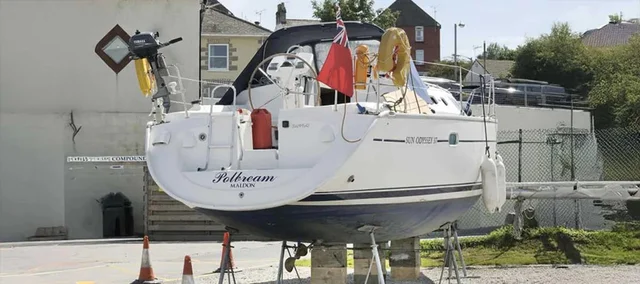
- Navi.training: 150 миль без киля: Неожиданное приключение яхты Polbream
- Navi.training: Зачем на яхте два штурвала? Подробный гид для новичков
- Navi.training: 7 найкращих подарунків для яхтсмена у 2025 році
- Navi.training: 150 миль без кіля: Несподівана пригода яхти Polbream
- Navi.training: Навіщо на яхті два штурвали? Докладний гід для новачків
- Navi.training: 150 miles without a keel: Polbream's unexpected adventure
- Navi.training: The 7 best gifts for the yachtsman in 2025
- Navi.training: Why are there two helms on a yacht? A detailed guide for beginners
- Wikipedia: List of large sailing vessels · CC BY-SA 4.0 / GFDL
 6 min to read